Skip to content
PLANNING AND CONSERVATION LEAGUE
  • Home
  • About Us
    • Mission, Vision, and Values
    • History and Accomplishments
    • Our Team
    • PCL Foundation
  • Our Work
    • Water
    • Climate Change
    • CEQA
    • Land Use and Transportation
    • Current Legislation
  • News
    • News & Resources
    • Our Publications
    • Assemblies & Events
  • Donate
Our History of Water Leadership

Water

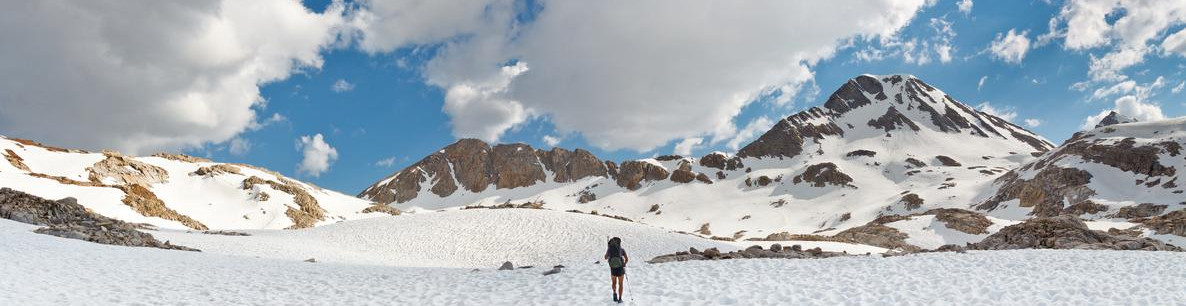
From the Pacific Ocean, to our iconic rivers, to the snowy peaks of the Sierra Nevadas, California depends on water.

1. Water rights

California lacks the fundamental ability to know how much water is available, where, and when. 

2. Climate Threat

Declining snowpack, extreme drought, and heightened flood risk put water supplies, ecosystems, and lives at risk.

3. Delta Decline

The Delta is both critical habitat and the key source for statewide water deliveries.

4. Groundwater

Millions of Californians rely on groundwater, yet face huge concerns with drinking water quality and over-extraction.

Current state water management practices are outdated and insufficient to provide Californians with reliable and resilient water supplies, threatening local communities, crashing critical ecosystems, and undermining our economic security. 

In order for California to meet the water needs of its citizens, ecosystems and businesses, the state must take advantage of opportunities to both reduce demand and implement climate-conscious water supply policies.

Water Right Reform

Water, just like air, is a public resource – essential to each and every one of us, every day of our lives. California’s water rights system is intended to manage who takes water out of our stream systems, when, and for what purpose. Given California’s limited – and dwindling – water supply, understanding and properly managing water flows, quality, diversions, beneficial uses, and discharges are essential as we face the challenges of climate change and prolonged droughts.

Today, however, California lacks the fundamental ability to truly assess how much water is available and how much is being used.

California water users, planners, and regulators also lack the tools needed to address critical shortages and protect both downstream water users and the environment. This combined lack of knowledge and tools leads to uncertainty for all water users: unknown and unregulated use by just one diverter can devastate downstream users and vulnerable ecosystems. We changed the way we manage our air starting in the 1960s, and we have all benefited in the decades since. Now, in the face of climate change, we must adapt the way we manage our water for the benefit of all.

 In 2023, we marked the passage of SB 389 (Allen), landmark legislation that empowered the State Water Resources Control Board (SWRCB) to investigate and verify the validity of pre-1914 and riparian water rights for the first time. Prior to SB 389, these users – who hold more than 35% of California’s surface water – went almost entirely without oversight, all but encouraging systematic abuse.

These modest but essential reforms protect due process rights for water right holders and ensure greater protections for all beneficial uses, including housing and farming, against illegal diversions and theft.

We celebrated success in 2024 with the passage of another PCL-sponsored water right reform bill, AB 460 (Bauer-Kahan). This bill increased fines for violations of SWRCB curtailment orders, creating a balanced, equitable, and sorely needed tool for the State Water Resources Control Board (SWRCB) and water rights holders to more quickly and effectively address critical shortages in coming droughts. This bill was an uphill battle, but ultimately was successful in giving the state the much-needed ability to deter water theft incidents like seen on the Shasta River in 2022.

This bill is part of a larger strategy for developing and improving California’s ability to adapt to climate change. 

To stay informed on our water legislation, check out our news or subscribe to our mailing list to get updates in your inbox.

Updating California Water Laws to Address Drought and Climate Change

The current system already includes the core principles needed to correct the inequities in our current system, including the constitutional principle of reasonable use, the public trust doctrine, and statutes that support enforcement of public values. We do need some targeted legislative changes to make the system work better for everyone.

– Professor Jennifer Harder, McGeorge School of Law

In 2022, PCL brought together an advisory team of water law and policy experts from across the state to develop recommendations for reforming California’s water laws in the wake of extreme droughts and the adverse water supply impacts brought by climate change. The subsequent report contains 11 recommendations to modernize California’s water rights law, and begin to tackle the inherent inequities and dysfunction in our existing system.

Rather than advocating for a radical overhaul, our approach is focused on refining existing laws, regulations, and funding mechanisms to make our system function for all.

We understand the need for thorough examination and refinement of these recommendations through public processes.

Some suggestions include detailed proposed legislative language, while others offer more general descriptions of policies that could benefit California – as such, we acknowledge the possibility of additional drafting and implementation issues that may arise. Furthermore, we recognize that our list isn’t exhaustive, and we encourage others to contribute to the ongoing improvement of California’s water laws.

Read the full report on  Updating California Water Laws to Address Drought and Climate Change for more details.

Further Water Priorities

Climate Change

Snowpack serves as a vital water banking system for California, storing a huge amount of freshwater that is slowly released through California’s rivers and streams throughout the year.

Now, warmer temperatures caused by climate change are putting this essential resource in jeopardy. With more water falling as rain in winter months, our state is seeing hugely reduced snowpack, and rising flood risk. Climate change is also causing the snowpack we do receive to melt earlier, meaning our streams see much less runoff during the summer and fall – a huge concern for ecosystems and the reliability of human water deliveries. California’s Department of Water Resources expects at least a 25% loss of Sierra snowpack by 2050. That’s 4.5 million acre-feet of water – enough to supply 9 million households every year.

Yet, California must also be prepared to accommodate millions more Californians. The Department of Finance estimates that by 2050, California’s population will rise to more than 40 million people. PCL’s Water Program focuses on developing new water policies that will sustain California’s population, fuel our economy and provide for healthy ecosystems.

Delta Decline

The Sacramento-San Joaquin Delta, which forms the eastern portion of the San Francisco Bay estuary, receives runoff from over 40% of California’s land area. The Delta provides critical habitat for many species, and is the key source for California’s state water deliveries, servicing urban, industrial, and agricultural demands.

The combined impacts of climate change, increased water demand, and habitat degradation have resulted in dramatic recent declines in several fish species dependent on this ecosystem. These “Delta declines” emphasize the need to restore habitat improve water quality, and provide adequate in-channel flows to prevent ecosystem collapse.

Groundwater

Millions of Californians rely on groundwater for part or all of their water supply. Decreasing groundwater quality threatens the security and safety of this water supply, due in part to the overpumping of finite groundwater supplies, which can result in severe arsenic and nitrate contamination. According to the State Water Resources Control Board, over 8,000 public drinking water wells have been shut down since 1984, mostly due to contaminated supply.

This epidemic currently leaves more than 100,000 Californians without access to safe drinking water, a danger faced disproportionately by low-income communities and people of color. Clean drinking water is a human right, and California must take action to sustainably manage our groundwater and halt this ongoing injustice.

Atmospheric Rivers
Atmospheric rivers are another one of the challenges presented by climate change. These weather events can cause sudden and dangerous inundation, and are accounting for a growing proportion of California’s precipitation. Today’s technologies are identifying the precise locations where excess water can quickly be redirected, absorbed and stored for future use in underground aquifers.

Other Options to Meet California’s Water Needs

Water Transfers

Water transfers will continue to be a significant strategy for meeting needs.

However, they can also harm third parties and the environment. The Investment Strategy sets forth conditions needed to ensure transfers will not harm areas of origin, areas through which the water is conveyed, and areas receiving the water.

Conservation

Conservation is crucial – and non-negotiable – in order for California to meet its water needs now and into the drying future. We simply cannot reach our water budgets without it. Some California locales are pioneering this effort – Orange County has an impressive history of conserving and purifying urban runoff and sewage water, then storing it in their groundwater aquifer for future use. While these major projects are promising, other less expensive, common-sense, conservation strategies must also be employed if we are to meet our water goals.

Water Storage

There is much rhetorical support for new surface water reservoirs. However despite tens of millions of taxpayer dollars spent studying the proposals in the CALFED Record of Decision, not one has been found to be cost effective or environmentally acceptable. Furthermore, not one of the potential beneficiaries of the proposed surface reservoirs has offered to use their own money to pay for their benefits. The Investment Strategy includes recommendations on how to protect taxpayers by implementing the “beneficiary pays” principle. No one knows the exact amount of water that can be stored within California’s 515 groundwater basins. California’s Department of Water Resources estimates the total storage capacity at somewhere between 850 million and 1.3 billion acre-feet. In comparison, surface storage from all the major reservoirs in California is less than 50 million acre-feet. Groundwater storage, frequently done as part of a conjunctive use program, can have significant benefits as long as the sources of the water are protected. Currently, aquifers offer at least three times the storage capacity available in reservoirs, and, of the two, aquifer storage is by far the least expensive option. Still, dams and reservoirs offer easier and less expensive delivery benefits – it is cheaper to deliver water from an above-ground facility than to pump it out of the ground. In conjunction however, these storage systems can produce greater benefits than the sum of their parts. The desired level of storage in an above-ground facility can be achieved by sending more or less water to the aquifer. For instance, before a predicted rapid snow melt or aquatic river leads to flooding, we can make room for more water in the reservoir, dam or river by turning on the spigot and allowing the excess water to be stored in the aquifer. California must prioritize smarter use of our existing water storage infrastructure – both man-made and natural – to avert the oncoming water crisis.

Desalination

Desalination is another option that was reviewed. Groundwater brackish desalination is a cost-effective and environmentally beneficial method for restoring groundwater storage capacity and providing additional water supplies. However, unscreened ocean water desalination perpetuates the loss of marine species. Until adequate screening can be accomplished, that type of desalination is not recommended.

The Delta

The Investment Strategy looked at current proposals to increase reliance on additional exports from the Sacramento-San Joaquin Bay Delta Estuary. The recent study done for the Bay Delta Authority demonstrated that there is a 64% chance that the Bay-Delta will experience abrupt changes resulting from flooding or seismic activity within the next fifty years. A reasonable level of investment needs to be made to protect the Delta including existing export capability. However, it is not prudent to risk California’s economy and water supply by relying on increased exports from such a fragile system.

Our History of Water Leadership

1972

Monumental River Protection
In 1972, we succeeded in passing one of the most significant pieces of state-level river protection policy to date – the California Wild and Scenic Rivers Act – which preserves designated rivers possessing extraordinary scenic, recreation, fishery, and wildlife values. 

1983

Defeating “Duke’s Ditch”
PCL leads the fight to stop “Duke’s Ditch”, an ill-advised attempt to build new export facilities from the Delta, with significant ecosystem harms.

PCL lobbyist Corey Brown convinced Senator Petris to add an amendment to the bill requiring the conservation of one million acre feet of water, resulting in the bill being dropped by Governor Deukmejian’s Administration.

1994

Preventing Water Corruption
PCL prevailed in a lawsuit against the Monterey Amendments secretly negotiated by the Department of Water Resources, which would have given away the largest water storage facility in the state, the Kern Water Bank.

2004

Drought-Smart Water Investment  Following the extreme drought that gripped the United States from 2000-2004, PCL pioneered a water-smart Investment Strategy for California, which thoroughly evaluated and identified the most cost-effective, environmentally beneficial, and socially acceptable water management strategies to support our state’s growing needs. This strategy has only become more relevant as California navigates skyrocketing demand and climate’s severe supply threats.

2010

Affordable Water Solutions In March, we published our report proposing 8 Affordable Water Solutions, initiating a movement for conservation and water use reform. First Steps for Water Recycling In October, we celebrated the passage of SB 918 (Pavley), PCL-sponsored legislation which paved the way for the safe recharge of recycled water into groundwater basins and reservoirs, a crucial step for conservation

2013

Removal of San Clemente Dam
Ninety-two years after the San Clemente Dam was built – and nearly a decade after PCL first initiated an effort for its removal – we broke ground on a $83 million effort to take this 106-foot-high structure and restore the Carmel River. The dam was a significant barrier to the natural migration of steelhead trout to upstream spawning areas. The removal will safeguard ecosystems and downstream communities, and create needed jobs in the region.

2022

Kickstarting a Water Reform Movement
With the February publication of Updating California’s Water Laws to Address Drought and Climate Change PCL initiated an ongoing conversation about water rights reform that has already changed the game for climate-smart management and equity in our water systems.

Making Good on Our Word
Following the release of our 11 recommendations, we celebrated the passage of PCL-sponsored SB 1205 (Allen) in August, requiring climate change impacts to be considered in all future water availability analyses.

We also helped push AB 2108 (R. Rivas) through the finish line, legislation that requires the State Water Resources Control Board and Regional Water Boards to conduct analyses and report on the environmental justice, tribal, and racial equity impacts of their permits and policy decisions.

2023

Unprecedented Water Right Reform Alongside a coalition of support, PCL celebrated the signing of SB 389 (Allen) in 2023, the first legislation to give the State Water Resources Control Board the power to verify pre-1914 and riparian water rights – filling a critical gap in the Board’s authority to investigate and validate legitimate water use across the system. Recognizing the Value of Aquifers As part of the 2023 Budget Trailer Bill, SB 122, PCL and CivicWell proposed and championed the addition of “aquifers” to the definition of “natural infrastructure.” The success of this measure crucially supports California’s capacity to catch and store stormwater and snowmelt runoff in the face of climate unpredictability. Groundwater recharge projects have multiple benefits, including reducing flood risk and restoring natural habitat. Prior to this bill, these multi-benefit projects have faced immense difficulties in gathering grant funds – often needing to submit multiple proposals with different requirements and deadlines. This is too time- and labor-intensive for capacity-constrained local jurisdictions. With aquifers recognized as natural infrastructure, multi-benefit restoration projects are now eligible for a host of grants that previously would have required separate funding applications as a result of harmful siloing. This opens up over $1 billion in existing public funds under the Sustainable Groundwater Management Act and Proposition 1.

2024

Continuing to Fight for a Better Water Right System
Sponsored by PCL, California Trout, and Trout Unlimited, AB 460 (Bauer-Kahan) gives the SWRCB clear authority to increase fines for unauthorized diversions in violation of SWRCB curtailment orders. This bill came out of a Shasta River case where farmers openly diverted huge amounts of water in violation of drought directives, and ultimately were only fined $50 each.

This bill was an uphill battle, but its final form gives the state the much-needed ability to deter water theft.

USED 6:26
dennis-yu-VbZb_hOefsE-unsplash
chay-kelly-WJIJLamuo-o-unsplash
scott-blake-z-8yaDYnmSY-unsplash
waves-3473335_1280
Rural-California-ocean-cliffs-wikimedia-363x241
steve-carter-ie8giTVBVxE-unsplash
nsb yosemite 2
fredrick-lee-3uVePIuBkPU-unsplash
photo-1616459943793-f4fca51b6647
USED – steve-fowler-iKdIQJggMWQ-unsplash
If you would like more information on PCL’s water work or to get in touch with our team, please email water@pcl.org.

Recent articles about Water

PCL’s Capital Insider – August 25, 2026

August 25, 2026

As we write and publish this Capital Insider, PCL is making the rounds to dozens of Capitol offices to convince members to cast the most responsible votes for their constituents and California’s communities.

PCL’s Capital Insider – July 30, 2026

July 30, 2026

A push for a fix to SB 131. What emerged from our engagement with legislators over the fall and winter is this year’s SB 954 by Senator Blakespear.

PCL’s Capital Insider – June 29 2026

June 29, 2026

One thing is guaranteed when it comes to water in California – an annual flood of legislation related to this precious public resource. A quick search of the legislature’s information portal, LegInfo, returns over 600 bills relating to water in 2026…

PCL’s Capital Insider – April 2026

April 29, 2026

By most metrics, April was quite a successful month for California environmental policy.

View More
  • Contact Us
  • Sitemap
  • Privacy Policy

Learn More

  • Home
  • History and Accomplishments
  • Legislation We’re Tracking
  • Donate
  • News | Events

Sign up to hear from PCL!

    Facebook-f X-twitter Instagram Linkedin-in
    © 2026 PLANNING AND CONSERVATION LEAGUE | 1107 9th Street, Suite 650, Sacramento, CA 95814     |     (916) 822-5631